Driving Meaningful Carbon Reduction in the Built Environment
After facilitating a discussion at Shirley Parsons’ Sip and Sustain event on 16 July, Houssam Ben Mansour, Regional Carbon Lead at Kier Construction, reflects on the key themes explored during the evening and the actions needed to accelerate carbon reduction across the built environment.
Why the built environment must act now.
As temperatures soar across Europe, it has never been clearer that climate action is urgent. For a variety of reasons, we have continued to kick the can down the road, however, the reality is undeniable: we must take decisive action now to reduce the unacceptably high levels of carbon emissions driving climate change.
The built environment accounts for approximately 40% of global carbon emissions, highlighting the critical role the sector must play in achieving net zero. Two of construction’s most widely used materials, steel and cement, each contribute approximately 7-8% of global emissions through their production alone. Closer to home, progress remains off track. According to the UKGBC’s Net Zero Whole Life Carbon Roadmap Progress Report (March 2026), emissions have fallen by just 14% since 2018, short of the 24% reduction required by 2024.
The built environment is essential, providing the homes, workplaces, and infrastructure that society depends on. The challenge is not to build less, but to build more efficiently and responsibly.
Driving meaningful change demands ambitious action and collective commitment. Central to this effort are the conversations that bring together sustainability leaders; a role that Shirley Parsons has been instrumental in facilitating.
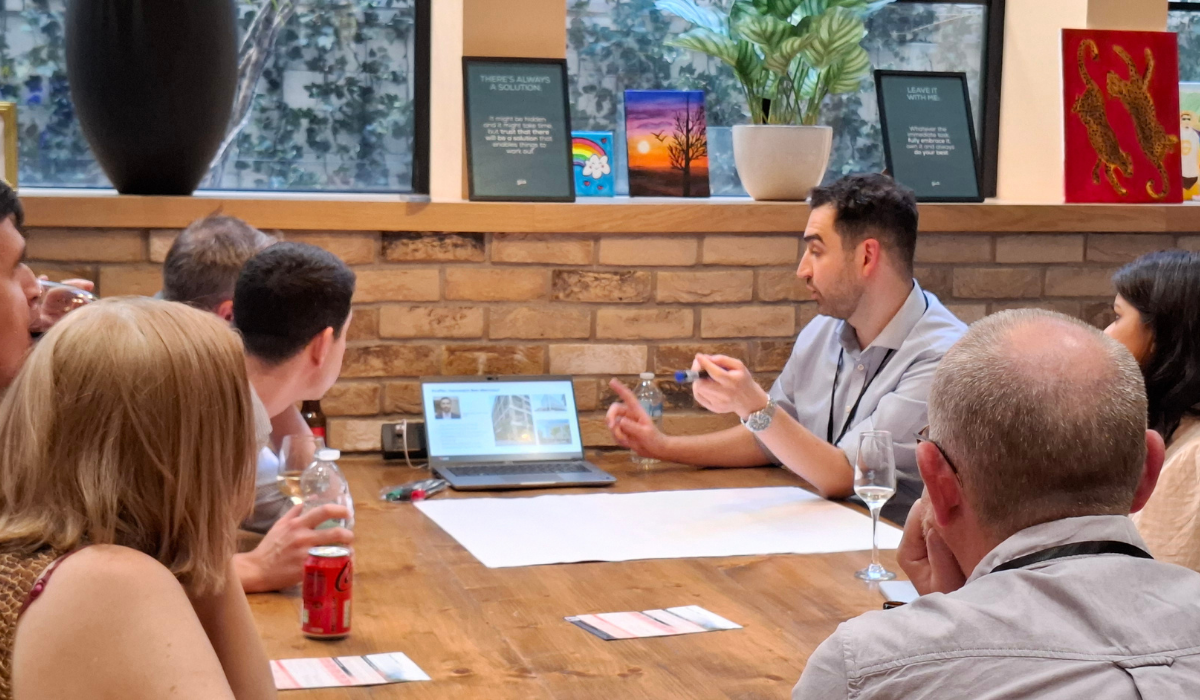
At Shirley Parsons’ Sip and Sustain event on 16 July, I had the opportunity to facilitate a discussion on this topic, which led to insightful conversations, diverse perspectives, and constructive debate on the challenges and opportunities facing the built environment.
The discussions on the night identified the following barriers:
Cost
Lack of data, consistency and clarity of reporting
Education
Clear definitions of industry terms such as net zero
Cost.
Cost remains one of the most significant obstacles. While many solutions can deliver long-term operational and environmental benefits, project teams are often required to make decisions based on short-term capital expenditure, particularly in a highly competitive market. This can result in carbon reduction measures being perceived as an additional cost rather than an investment in long-term value.
Lack of data, consistency and clarity of reporting.
Alongside cost, the industry continues to face challenges around a lack of data, which is compounded by lack of consistency and clarity. There is minimal or no reporting in most situations. Until a few years ago, it was rare to see embodied carbon on projects calculated or reported.
Additionally, different methodologies, assessment boundaries, data sources, and reporting approaches make it difficult to compare projects or measure progress with confidence. This inconsistency can undermine trust in reported outcomes and create uncertainty for clients, investors, and project teams alike.
Education.
There is need for greater education and awareness across the industry about this topic. Although sustainability has become a mainstream consideration, there remains a varied understanding of carbon management principles, whole life carbon assessment, and the opportunities available to reduce emissions throughout the design, construction, and operational phases of an asset.
Clear definitions of industry terms such as net-zero.
A significant challenge remains the lack of clear and universally recognised definitions for key industry terms, especially ‘net zero’. The new UKNZCBS has been designed to tackle this very point, however, this is only applicable for buildings in the UK; not infrastructure or other assets. Without a shared understanding of what these terms mean, organisations risk setting targets that are interpreted differently across the supply chain, leading to confusion and misaligned expectations.
Establishing consistent reporting practices, improving industry-wide carbon literacy, and adopting clear, standardised definitions will be critical to accelerating meaningful and measurable carbon reduction across the built environment.
Turning ambition into action.
While the discussion identified cost, limited data, inconsistent reporting, gaps in education, and unclear industry definitions as key barriers to reducing carbon emissions, it also reinforced that these challenges are not insurmountable. The urgency of climate action demands a more coordinated approach across the built environment, underpinned by greater carbon literacy, consistent standards, transparent reporting, and stronger collaboration throughout the supply chain.
The solutions to drive meaningful reductions already exist; the challenge now is to translate ambition into action and accelerate the pace of change needed to deliver a net zero future.
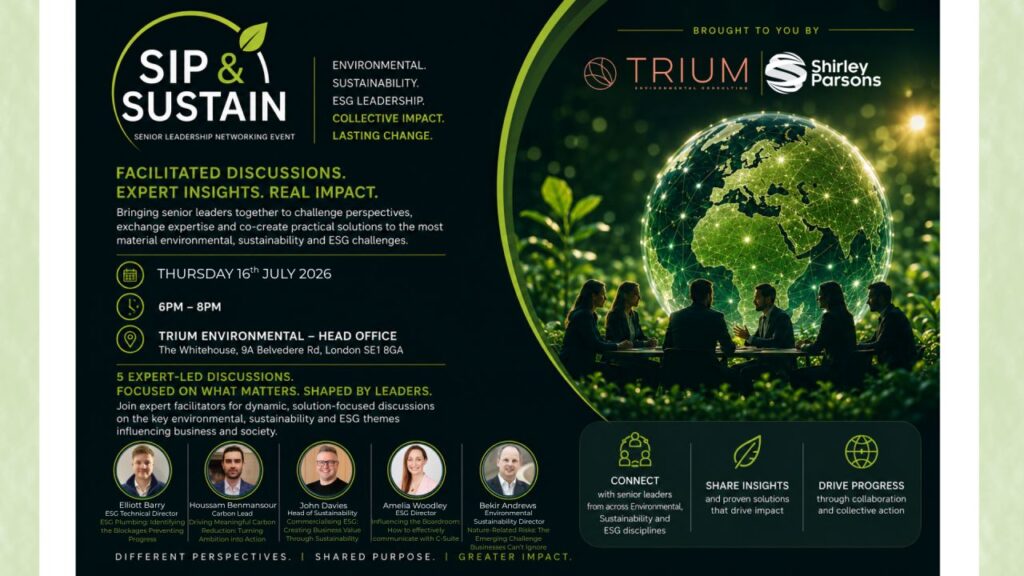
About Sip & Sustain.
Sip & Sustain is Shirley Parsons’ networking series, bringing together sustainability, ESG and environmental professionals to discuss the challenges, opportunities and emerging trends shaping the future of the profession. Each event provides a collaborative space to share ideas, exchange experiences and build valuable industry connections.
If you’re interested in attending a future Sip & Sustain event, we’d love to hear from you. Contact Fraser McLachlan at fraser.mclachlan@shirleyparsons.com to find out more and register your interest.
Related Articles:
Commercialising Sustainability: Golden Thread or Golden Paperweight?
John Davies, Head of Sustainability, explores what makes a sustainability