


SP Engineering Consultancy is the dedicated engineering division of Shirley Parsons, providing expert support to organisations across the water sector.
Pipelines sit at the heart of the UK’s water and wastewater networks, forming the essential links between abstraction, treatment, storage, and distribution.
With AMP8 set to deliver major investment in resilience, interconnection, and asset renewal, the ability to design practical, efficient, and environmentally sensitive pipeline schemes has never been more important.
SP Engineering Consultancy works alongside water companies and delivery partners to transform challenging routes into buildable design packages, helping projects progress from concept to construction with clarity and confidence.
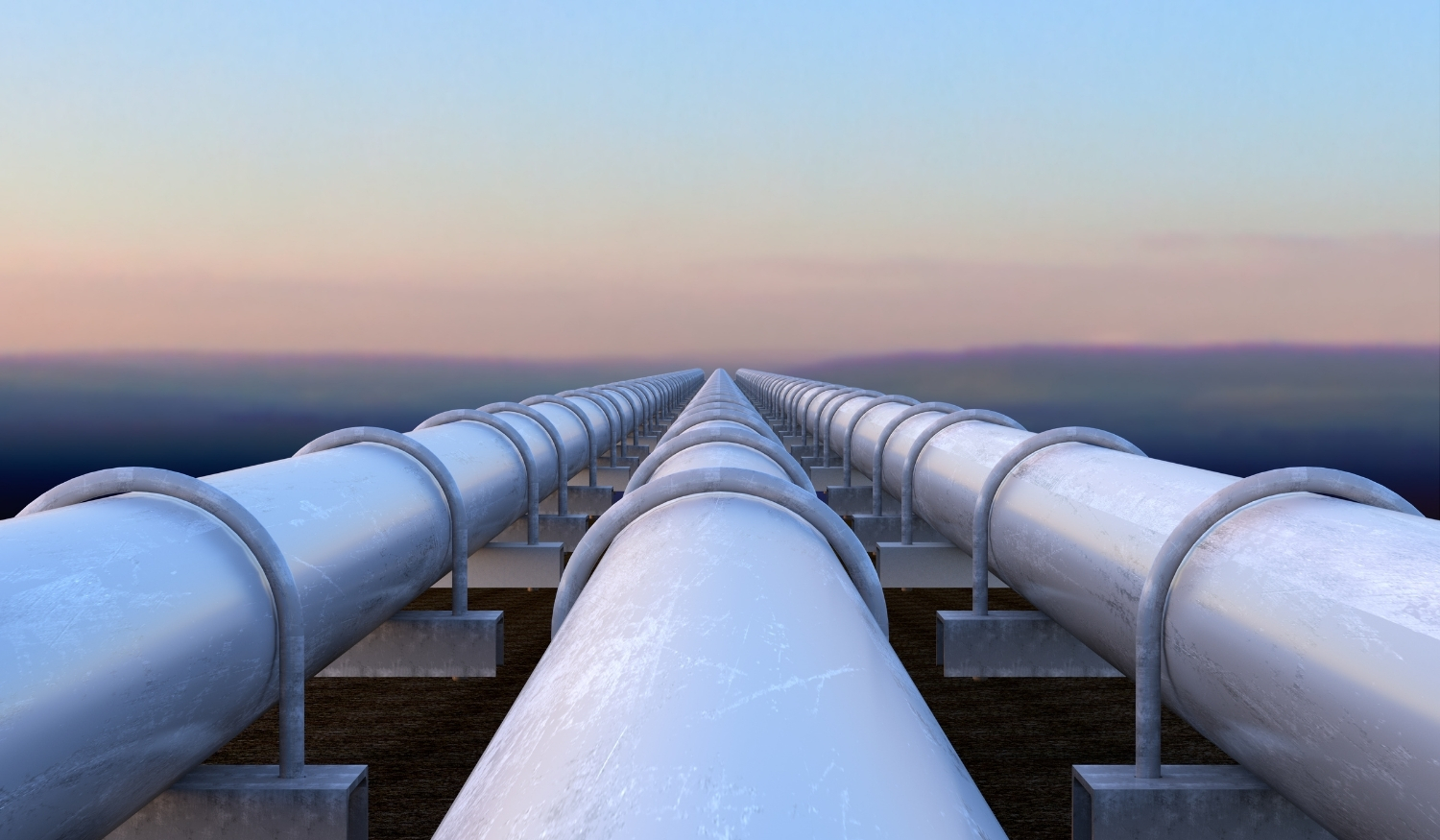
Working within land restrictions and protected environments.
Planning a viable pipeline route involves navigating a complex mixture of land uses, approvals, and environmental sensitivities. Typical constraints include:
- Farming and agricultural land, where careful planning is needed to minimise disruption and protect livelihoods.
- Major roads, rail lines, and utility corridors, which require technical approvals and may limit construction methods.
- Nationally protected areas, including ancient monuments, listed structures, wildlife habitats, and conservation zones.
- Privately owned land where negotiations depend on technically robust, low-impact proposals.
Our team supports early route assessments through GIS mapping, environmental and heritage reviews, and stakeholder collaboration, helping clients avoid delays and refine their preferred alignment.
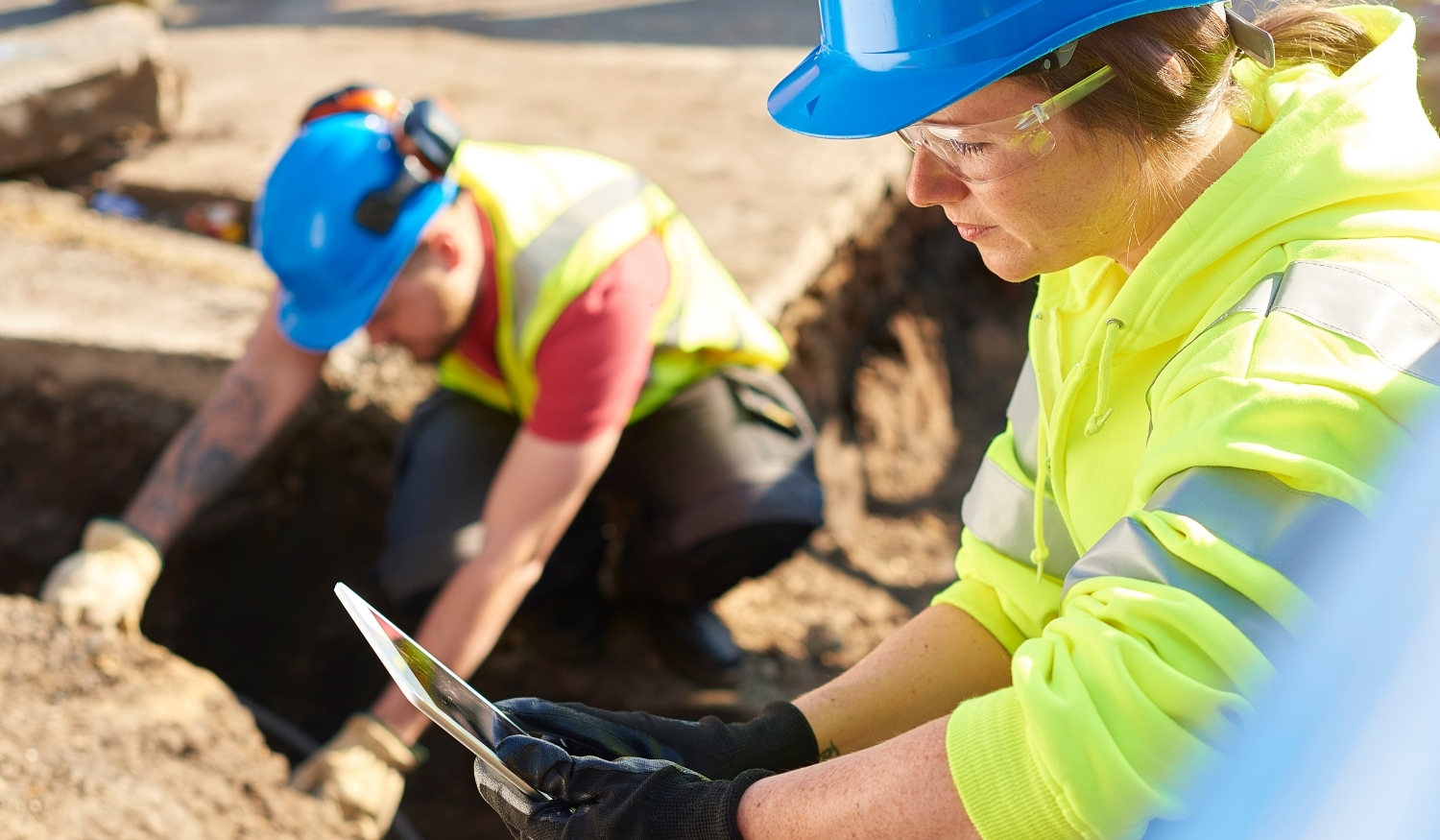
Managing terrain: Hills, valleys and complex topography.
The physical landscape plays a decisive role in pipeline behaviour. Elevation changes can affect pressures, velocities and long-term operational stability.
Common technical considerations include:
- Climbing gradients, which may require pump boosts or intermediate break-pressure points.
- Descending slopes, where flow control measures are essential to prevent uncontrolled velocities.
- Mountainous or uneven ground, where constructability, safety, and access become critical planning factors.
- Areas with variable geology, requiring specialist installation methods or additional structural protection.
By modelling routes early, we help project teams understand hydraulic implications and select solutions that balance performance with practicality.
Installation approaches: Underground, surface, and above-ground pipelines.
Choosing the right installation method depends on land use, environmental impact, and construction constraints:
- Underground pipelines the most common approach, must account for utilities, ground conditions and temporary works.
- Surface or shallow-buried options can reduce excavation costs but require additional protection from weather or accidental damage.
- Rising mains need surge analysis, pressure control, and pump coordination to operate safely.
- Downhill gravity sections must include flow-control structures to prevent excessive velocity and pipe wear.
Our engineers help identify the safest and most cost-effective installation method for each section of the route.
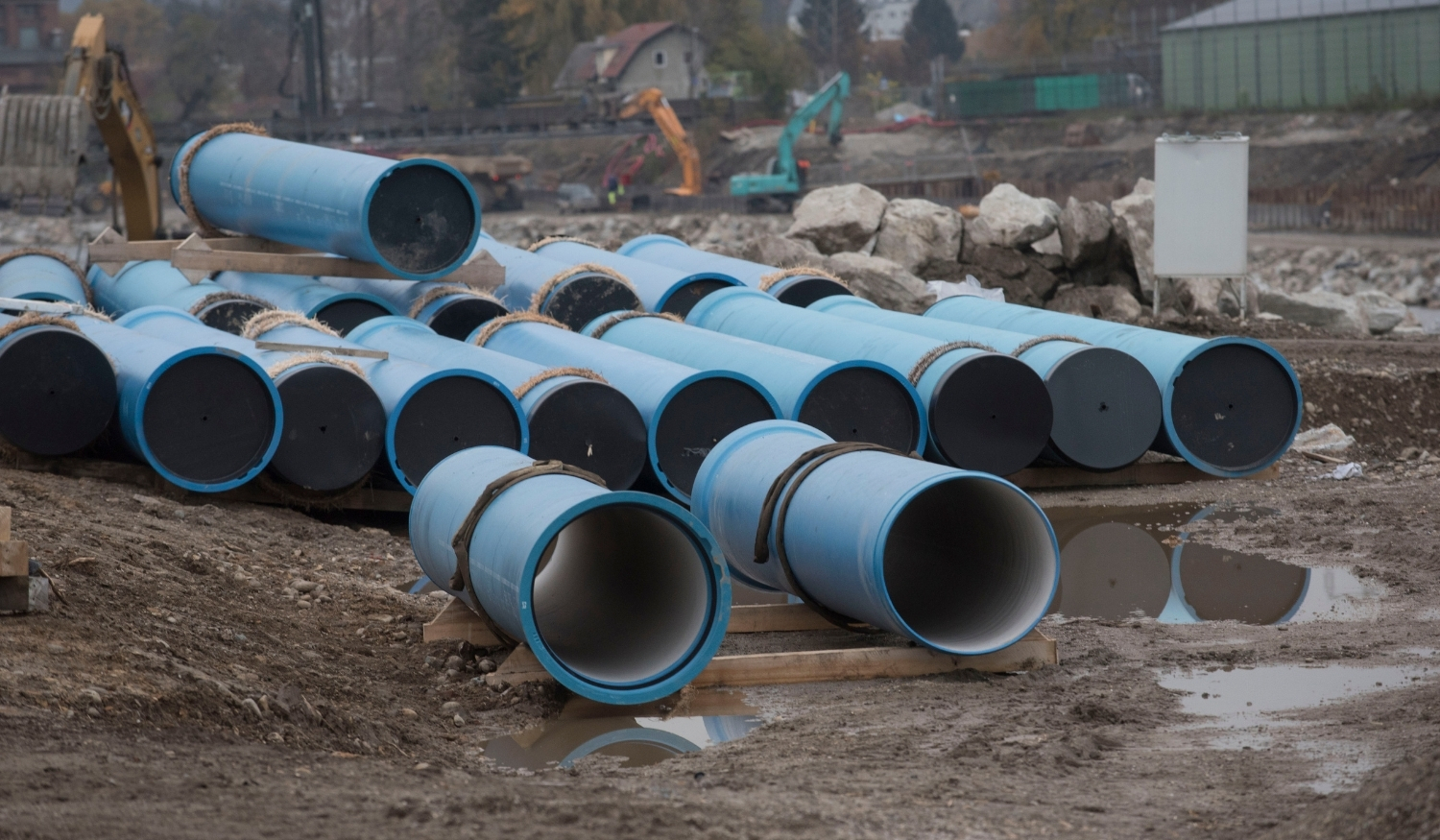
Selecting materials and pipe sizes for reliability and longevity.
Pipe material and diameter must be matched to flow requirements, pressure regimes and installation constraints. Common choices include:
- Ductile iron for robust, high-pressure applications
- PE (HDPE) for flexibility, corrosion resistance and suitability for trenchless installation
- PVC-U for smaller potable mains
- GRP where lightweight, corrosion-free options are beneficial
Through hydraulic modelling and specification development, we guide clients toward designs that offer resilience, energy efficiency and long-term value.
How Shirley Parsons supports pipeline delivery.
Our specialist team provides a complete pipeline design service, including:
- Route optioneering and feasibility assessments
- Environmental and heritage constraints mapping
- Hydraulic modelling and surge analysis
- Specification and material selection
- Civil, mechanical, electrical, and process design
- NEC3 / Option A deliverable packages
- Buildability and installation planning
We help water companies progress quickly from early concept to fully deliverable design solutions aligned with AMP8 timelines.

“Pipeline routes are rarely straightforward. Every metre has its own constraints - land ownership, pressure changes, ground conditions, environmental sensitivity. Our job is to turn those challenges into practical, buildable design solutions without slowing the programme.”
Teo De La Cruz, Framework Delivery Director
Speak to us about your pipeline projects.
If you’re planning interconnections, resilience schemes, rising main upgrades, or any pipeline works for AMP8, our team can support you with clear and dependable design delivery.