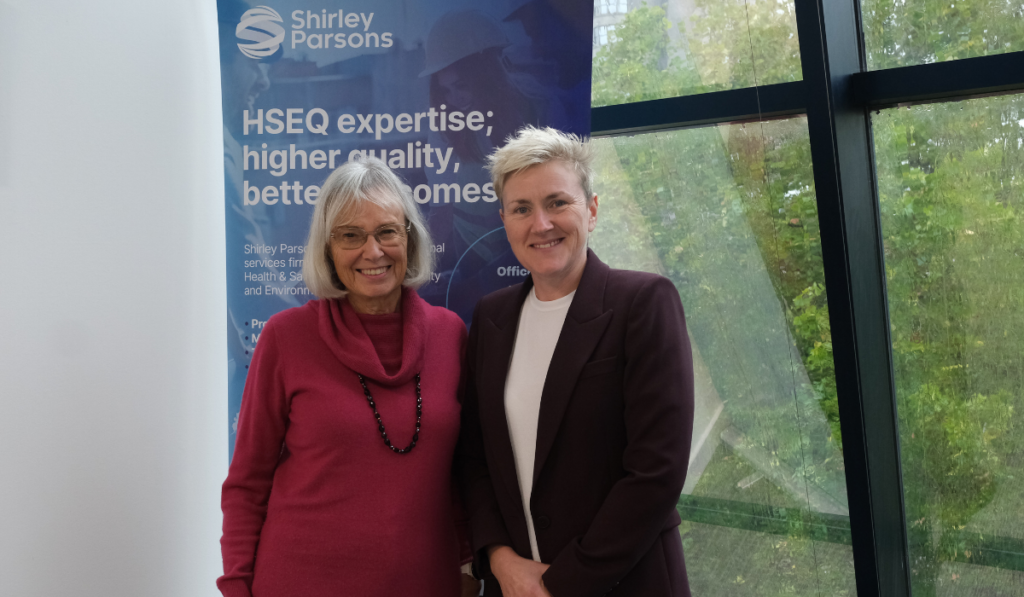

Reflecting on his discussion at Shirley Parsons’ Sip & Sustain event in July, John Davies, Head of Sustainability, explores what makes a sustainability strategy work in practice, and why some become embedded within an organisation while others struggle to move beyond the page.
Finding the Golden Thread.
When asked to come up with a topic of conversation to moderate for the latest edition of the Shirley Parsons ‘Sip & Sustain’ event, I did have to scratch my head for a bit to get some inspiration. It wasn’t for a shortage of ideas or not knowing what was topical, it was more a case of finding something everyone could relate to, find interesting, and have an opinion on but above all not feel they’ve just relived their day at work – however that might have unfolded.
So whilst unpacking the shopping a few weeks before the event I kept thinking to myself, strategy! Not strategy as in how can I get my kids to eat less beige food, or convince the dog he doesn’t need to try and steal something from the shopping bags, but strategy in terms of what keeps me preoccupied when creating sustainability strategies and trying to deliver them. What worked and what didn’t and why.
Ultimately, I kept coming back to the same point – the ones that worked best fitted in with the business model and stood up to the acid test of: “was it commercial?” and the cultural test of “this feels like us”. They didn’t feel out of place and sitting at a jaunty angle to the business model and being there for the sake of it.
Those who like their shinier management speak would say it’s a ‘golden thread’ – that thing that weaves its way seamlessly through everything and everyone can see it and accept it, appreciate it even.
What made one strategy successful over another at the high level was easy to see – the organisation wanted it and knew it was important. How they knew it was important and why they wanted it always varied slightly. Sometimes it was management intuition of knowing when something was just needed and it would be useful and others it was seeing the sector trend and not wanting to be seen to be falling behind, sometimes a mixture of the two.
Whichever the catalyst for action usually meant that the strategy was owned, looked after and nurtured and the results could be clearly seen – industry recognition, product/market differentiation, more things sold/money through the till, less risk exposure… the list goes on.
From Strategy to Commercial Reality.
But in painting this picture of golden success, I am completely glossing over the reality of the time, effort and persistence needed to get a strategy down on paper, agreed by the great and good and into the implementation phases. Never mind commercialising it.
Quite often things don’t run smoothly, aren’t successful and it feels like you’ve got a golden paperweight on your hands as opposed to a beautiful thread. So during the conversation I wanted to see what others had been experiencing – had they cracked it in their organisation, were they feeling they’d hit a roadblock (human, financial or otherwise), had they not yet started?
The first thing that sprang to life was indeed that progress was being made, some organisations were beginning to see the fruits of their labour, particularly in real estate and construction. Better quality buildings that were efficient to run, low carbon in their makeup achieved better rents, quicker with better covenants.
In turn the construction supply chain was responding with better low carbon solutions and techniques. A great example of how the whole supply chain starts to shift – it certainly felt good to hear this. What also felt good was everyone round the table could relate to it, even though they weren’t in those sectors
Does Sustainability Need to Be Simpler?
Another interesting conversation emerged around getting leadership to understand sustainability and whether as sustainability professionals we have been making a rod for our own backs in terms of making it more complicated than it needs to be, piling on the acronyms and overdoing it with the smoke machine.
After some more gentle head scratching in hindsight I’d say I’m almost sold on that point, but not completely. Yes, we can all talk more simply and simplify for others (and shut off the smoke machine) but every discipline has their unique ‘isms and sometimes it’s incumbent on us all to learn a new language and new things.
So I don’t buy leadership being given a free pass on that, it’s imperative that every Board member understands it – just like the numbers it’s part of the business.
Keeping the Conversation Going.
So where did the conversation leave my analogy?
Well to be honest it kind of showed it working away merrily in practice and that like most things in life all at varying stages of ‘doneness’, but ultimately it is happening despite the macro-economic and political punches being taken along the way. Like with any good conversation it would be great to keep this going. What’s your take? What have you found out there on the sustainability shop floor?
Feel free to drop me a DM on LinkedIn or even better drop a line to the Shirley Parsons team to get your name down for the next event – I’d love to see you there.
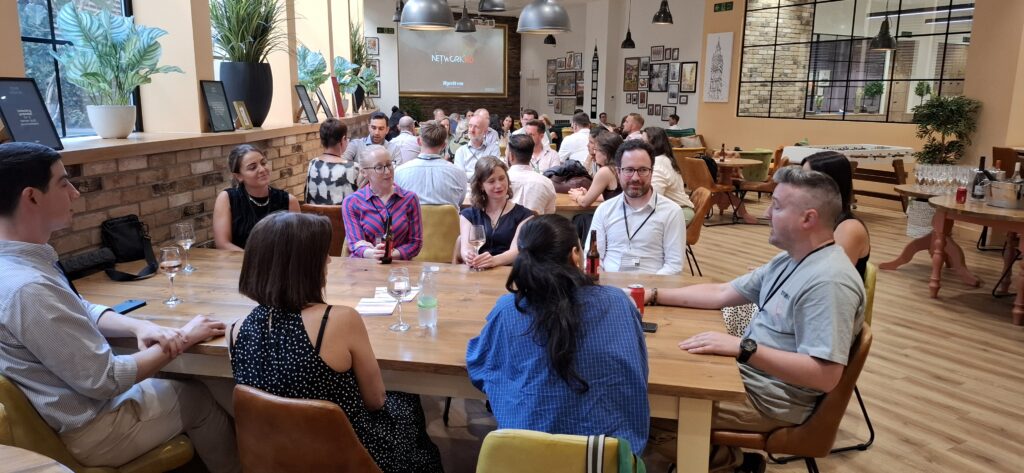
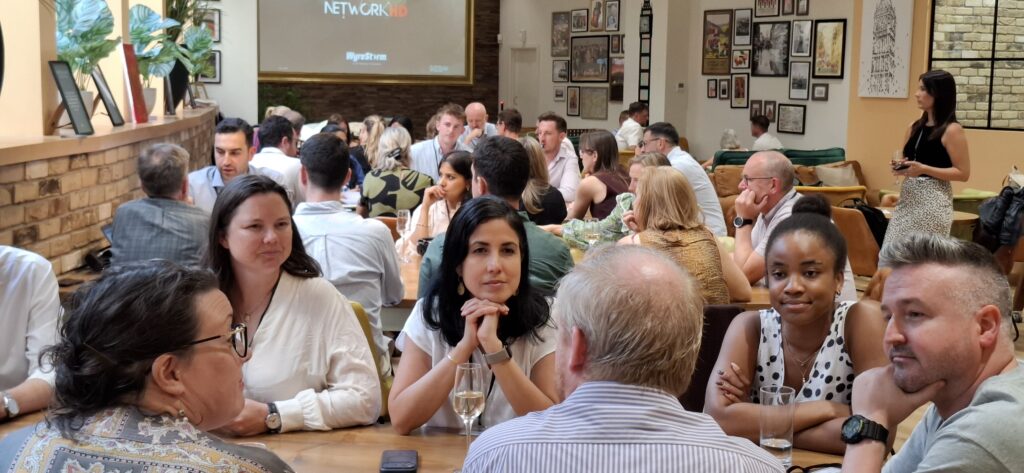
About Sip & Sustain.
Sip & Sustain is Shirley Parsons’ networking series, bringing together sustainability, ESG and environmental professionals to discuss the challenges, opportunities and emerging trends shaping the future of the profession. Each event provides a collaborative space to share ideas, exchange experiences and build valuable industry connections.
If you’re interested in attending a future Sip & Sustain event, we’d love to hear from you. Contact Fraser McLachlan at fraser.mclachlan@shirleyparsons.com to find out more and register your interest.
Related Articles:



After facilitating a discussion at Shirley Parsons’ Sip and Sustain

Ahead of Sip & Sustain 2026, Elliott Barry, Technical Director,
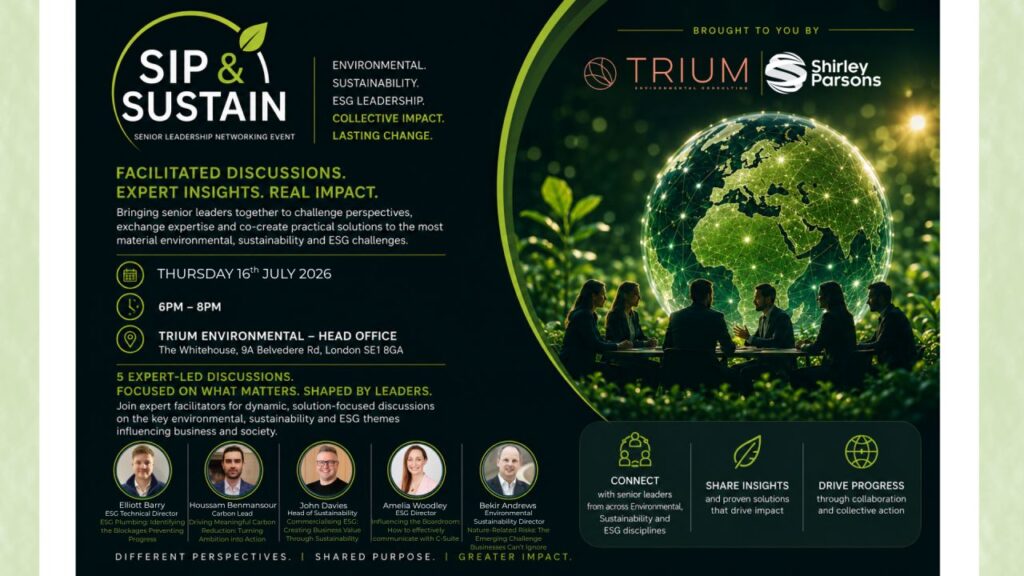
Join Shirley Parsons and Trium Environmental Consulting LLP in Waterloo

ESG and Sustainability leaders enjoyed an evening of thought-provoking discussions