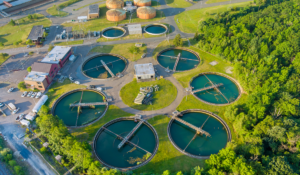


SP Engineering Consultancy is the dedicated engineering division of Shirley Parsons, providing expert support to organisations across the water sector.
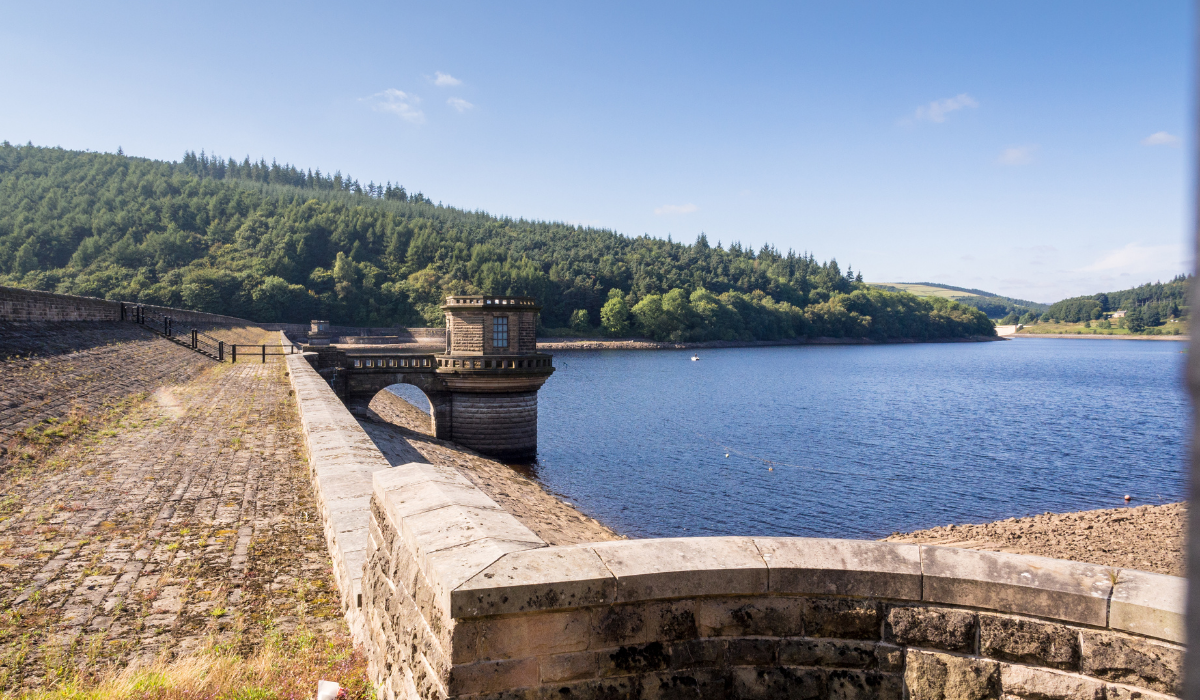
While tanks and underground storage quietly support the operational side of the water network, reservoirs occupy a very different space, both physically and culturally. They are among the most visible water assets in the UK, shaping landscapes, supporting ecosystems, and serving as places of recreation and reflection.
As AMP8 places increasing emphasis on resilience, sustainability and environmental outcomes, reservoirs are being viewed not only as strategic storage assets, but as multifunctional environments that balance water security with ecological and social value.
This article builds on our previous discussions around water storage, pipelines, pumping stations and treatment processes, focusing specifically on reservoirs – their engineering role, environmental importance and place in the wider AMP8 strategy.
Reservoirs as strategic assets in AMP8.
Reservoirs remain fundamental to long-term water security. They provide:
- large-scale storage for drought resilience
- seasonal balancing between supply and demand
- protection against short-term network disruption
- strategic flexibility during extreme weather events
Under AMP8, many reservoirs are being reassessed in terms of:
- structural condition and safety
- hydraulic performance and usable capacity
- interaction with upstream and downstream assets
- resilience to climate-driven variability
Engineering input is critical at this stage, helping water companies understand how existing reservoirs can continue to perform safely while adapting to changing demands.
Natural systems and environmental integration.
Unlike enclosed storage tanks, reservoirs sit within natural landscapes and ecosystems. Over time, many have evolved into important environmental assets, supporting biodiversity well beyond their original engineering purpose.
Reservoir environments can include:
- wetland margins
- reed beds and riparian habitats
- bird nesting and migratory stopover sites
- aquatic ecosystems supporting fish and invertebrates
AMP8 places increased importance on protecting and enhancing these environments. Reservoir projects now routinely consider:
- habitat preservation and biodiversity net gain
- water level management to protect wildlife
- sediment and nutrient control
- integration with wider catchment strategies
Balancing engineering requirements with environmental stewardship is a growing focus area and, one that requires close collaboration between engineers, environmental specialists and regulators.
Reservoirs as public and recreational spaces.
Many reservoirs have become valued community spaces. Footpaths, cycle routes, sailing clubs and open swimming areas have transformed them into places for leisure, wellbeing and connection with nature.
For some communities, reservoirs are:
- weekend walking destinations
- family-friendly outdoor spaces
- locations for organised sports and events
- quiet refuges for mental wellbeing
AMP8 projects increasingly recognise this role. Design and upgrade works often consider:
- public access and safety
- visual impact of structures
- integration of paths, viewing areas and facilities
- minimising disruption during construction
This dual role, as both infrastructure and public space, adds complexity to reservoir projects, but also creates opportunities to deliver broader social value.

Wildlife protection and restoration.
Reservoirs often act as unintended wildlife sanctuaries. With limited development and controlled access, they can become safe havens for species that have declined elsewhere.
In AMP8, reservoir-related works may include:
- restoring degraded habitats
- protecting breeding and nesting areas
- improving water quality for aquatic life
- managing invasive species
- reconnecting habitats fragmented by historic infrastructure
Rather than displacing wildlife, modern reservoir projects increasingly aim to enhance what already exists, protecting ecosystems while improving long-term resilience.
Engineering challenges beneath the surface.
Despite their calm appearance, reservoirs present complex engineering challenges, including:
- embankment and dam safety
- seepage and leakage control
- spillway performance under extreme rainfall
- sediment accumulation and capacity loss
- ageing mechanical and control systems
AMP8 investment is driving detailed inspection, modelling and design work to ensure reservoirs remain safe, compliant and fit for purpose.
Specialist engineering input, such as that provided by Shirley Parsons, supports water companies in assessing these risks and developing proportionate, well-designed solutions that respect both safety requirements and environmental sensitivities.

Reservoirs in AMP8: More than storage.
Across AMP8, reservoirs bring together many of the themes explored throughout this series:
- storage and resilience
- integration with pipelines and pumping systems
- interaction with treatment and process assets
- environmental protection and regulatory compliance
They represent one of the clearest examples of how water infrastructure intersects with the natural and social world. In AMP8, reservoirs are increasingly seen as:
- critical resilience assets
- ecological environments
- community and recreational spaces
- symbols of long-term water stewardship
Delivering resilient water infrastructure in AMP8.
As AMP8 progresses, reservoirs will continue to play a central role in securing the UK’s water future. The challenge lies in strengthening their resilience while protecting the environments and communities that have grown around them.
Across storage, pipelines, pumping stations, treatment processes and reservoirs, successful AMP8 delivery depends on coordinated, multidisciplinary engineering input – supported by a deep understanding of both infrastructure and environment.
SP Engineering Consultancy supports water companies throughout AMP8 by providing experienced engineering and environmental professionals, who can assist with assessment, design and delivery under frameworks such as Option A and NEC3.
Get in touch with Teo De La Cruz, our Framework Delivery Director, to discuss how we can assist your programme.
Get in touch
Explore similar insights